
Frequently Asked Questions
Answers to Questions About Electrical Service and Installation
FAQs for Missoula, MT addressing common concerns about panel upgrades, circuit troubleshooting, generator installs, and code requirements
Redcliffe Electric compiled these questions to address the most common concerns homeowners and business owners have when planning electrical work or troubleshooting problems with existing systems. You will find answers covering service capacity, safety issues, permitting, and what to expect during installation or repair work.
These answers are based on typical residential and commercial electrical systems and current code requirements. Your specific situation may involve additional factors such as utility company policies, local amendments to the electrical code, or conditions unique to older buildings or rural properties. If your question is not covered here, contact Redcliffe Electric to discuss your project or service need in detail.
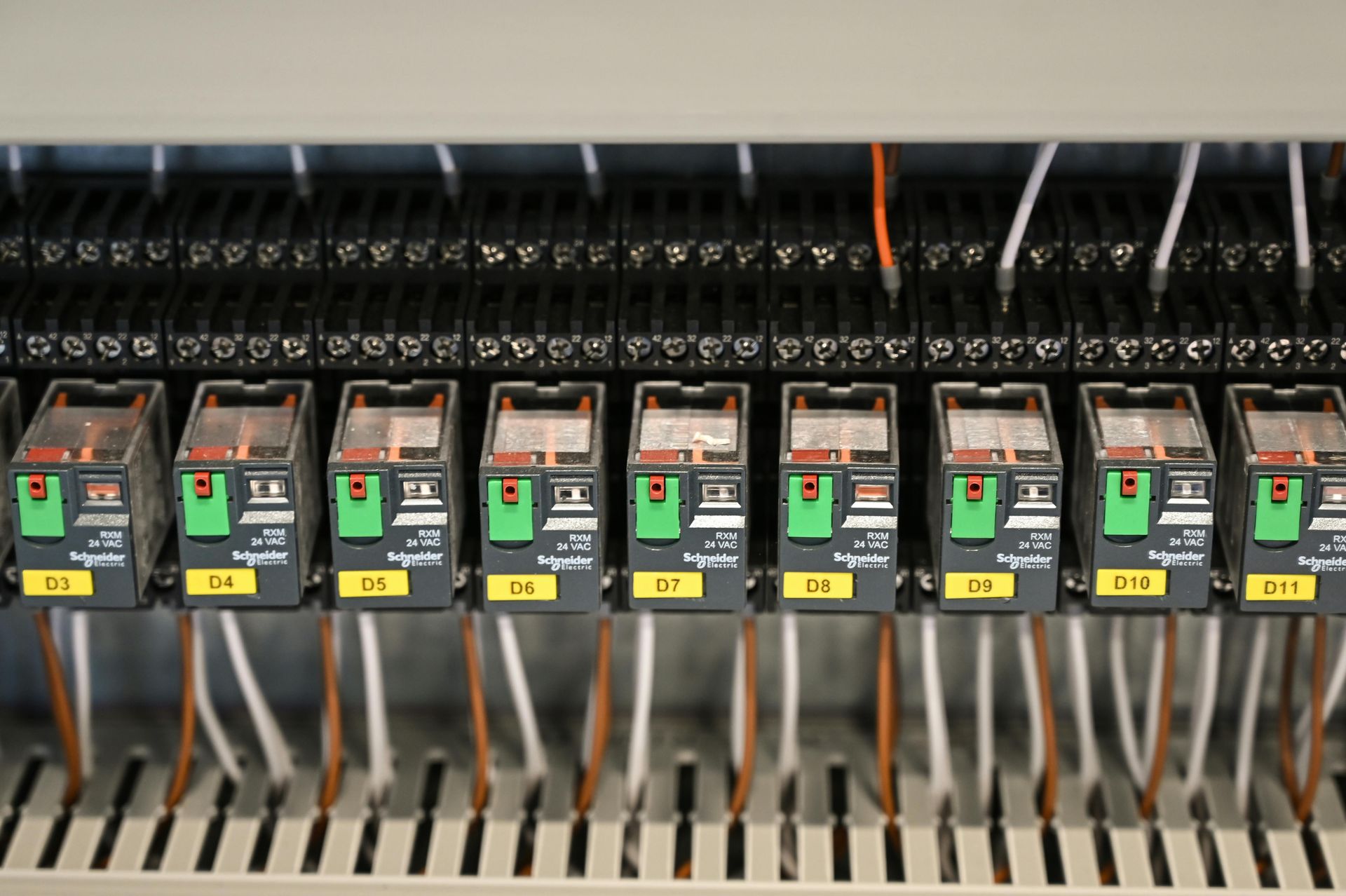
Frequently Asked Questions About Electrical Work
When do I need to upgrade my electrical panel?
You need an upgrade when you are adding high-load appliances like a central air conditioner or EV charger, when breakers trip frequently under normal use, or when your panel contains outdated components like fuses or aluminum bus bars that no longer meet code.
Why does a circuit breaker keep tripping?
A breaker trips when the circuit draws more current than it is rated to handle, which can result from overloading, a short circuit, a ground fault, or a failing breaker that no longer holds its rated load.
How long does a panel replacement take?
A typical residential panel replacement takes four to six hours, including disconnecting the old panel, installing the new enclosure, transferring circuits, labeling breakers, and reconnecting the service entrance, though utility coordination may add time if the meter must be pulled.
What permits are required for electrical work?
Most jurisdictions require permits for panel upgrades, service entrance changes, new circuits, and generator installations, and the work must pass inspection before the permit can be closed and the system legally returned to service.
Can I add a circuit without upgrading the panel?
You can add a circuit if the panel has available breaker slots and the total connected load does not exceed the service rating, but if the panel is full or the service is undersized, you will need an upgrade to add capacity safely.
What causes flickering lights?
Flickering can result from a loose connection at the fixture, switch, or breaker, a failing ballast or driver in LED or fluorescent fixtures, voltage drop from undersized wiring, or utility issues affecting the service entrance.
How do I know if my wiring is outdated?
Signs include two-prong outlets, cloth or rubber insulation on visible wiring, aluminum branch circuits installed in the 1960s or 1970s, or a fuse box instead of a breaker panel, all of which indicate the system may not meet current safety standards.
What is involved in rewiring a house?
Rewiring involves running new cable through walls, ceilings, and floors, installing new outlets and switches, upgrading the panel if necessary, and ensuring all circuits are properly grounded and meet current code requirements.
Why does my GFCI outlet keep tripping?
GFCI outlets trip when they detect a difference in current between the hot and neutral wires, which can occur due to a ground fault in a connected appliance, moisture in the outlet box, or a worn-out GFCI device that needs replacement.
How much does it cost to install a generator?
Generator installation costs depend on unit size, fuel type, transfer switch requirements, distance from the panel, and whether gas line or concrete pad work is needed, with typical residential systems ranging from several thousand to over ten thousand dollars installed.
What size wire do I need for a new circuit?
Wire size depends on the circuit breaker rating and the length of the run, with 14-gauge copper used for 15-amp circuits, 12-gauge for 20-amp circuits, and larger wire required for higher loads or long distances to prevent voltage drop.
Can I work on my own electrical system?
You can perform some minor work depending on local regulations, but most jurisdictions require a licensed electrician to complete work that involves the service panel, adds new circuits, or requires a permit and inspection.
What is a service entrance?
The service entrance is where utility power enters your building, consisting of the meter base, service disconnect, and the conductors that run from the utility connection to your main panel.
How often should electrical systems be inspected?
Residential systems should be inspected during home purchases, after major renovations, or if you notice recurring problems like tripping breakers, flickering lights, or burning smells, and commercial systems often require periodic inspections per insurance or lease terms.
What is the difference between 120-volt and 240-volt circuits?
120-volt circuits power standard outlets and lighting, while 240-volt circuits are used for high-load appliances like electric dryers, ranges, water heaters, and air conditioners that require more power than a single 120-volt circuit can provide.
Redcliffe Electric is available to answer additional questions and provide estimates for electrical projects or service calls. If you need help diagnosing a problem or planning an upgrade, contact us to schedule an appointment and discuss your specific needs.